
Functional Medicine Nutrition · October 9, 2026
Gut Health and Mental Health: What the Research Shows
By Kathie Bolles, PMHNP-BC
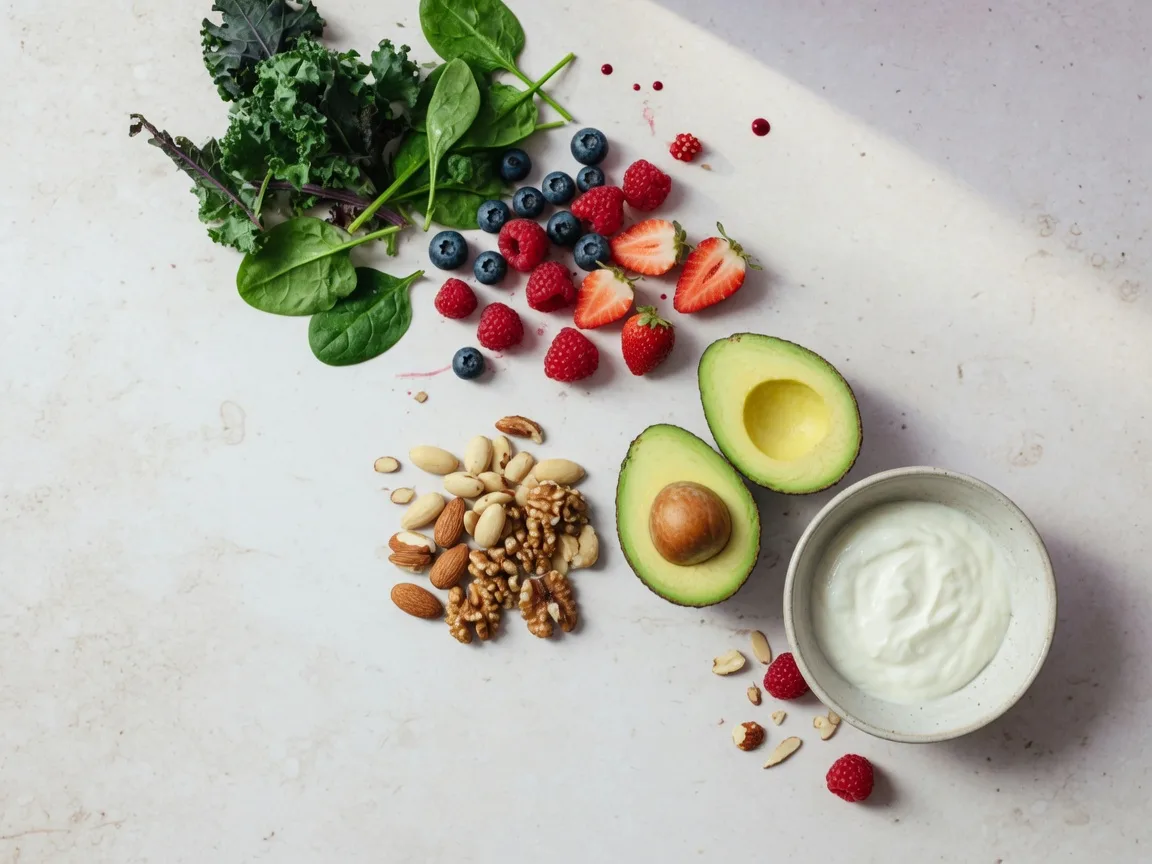
Research describes a bidirectional "microbiota-gut-brain axis" linking the gut microbiome to the brain through neural, immune, and metabolic signals. NIH-indexed reviews describe diet as one modifiable factor in this connection: dietary patterns higher in fiber and whole foods are associated with better mental health, while highly processed diets are linked to more depressive symptoms. This is emerging science, not a cure, and nutrition support is one part of a whole-person psychiatric approach, never a replacement for it. Mynd Works Psychiatry in Austin, Texas offers functional medicine nutrition as part of individualized care.
What is the gut-brain axis?
The gut-brain axis is a bidirectional communication system linking gut microbes to the brain through the nervous system, immune system, and metabolic signals, including the vagus nerve and microbial metabolites such as short-chain fatty acids.
NIH-indexed reviews describe dysbiosis, an imbalanced microbiome, as associated with conditions such as depression and anxiety, though the direction and mechanisms are still being studied.
What does the research show about diet and mood?
Diet is one modifiable factor in the gut-brain connection. Dietary patterns higher in fiber, vegetables, and whole foods, such as a Mediterranean-style pattern, are associated with better mental health, while highly processed, high-sugar diets are linked to more depressive symptoms.
This is an association in the research, not proof that a specific diet causes or cures a mental health condition.
Can changing your diet treat depression or anxiety?
No. There is no evidence that diet alone treats or cures depression or anxiety, and the research cautions against telling patients that probiotics or dietary changes alone will resolve mental illness.
Nutrition is best understood as one supportive factor within a broader treatment plan that may include medication management and psychotherapy.
How does functional medicine nutrition fit into psychiatric care?
Functional medicine nutrition explores how diet, lifestyle, and gut health relate to mental health as part of a whole-person approach. It is individualized support for psychiatric care, not a replacement for it.
You can learn more about what functional medicine nutrition is and how it fits into nutrition and mental health.
What should you expect from a nutrition consultation?
A nutrition consultation begins with a conversation about your current diet, lifestyle, sleep, and health history, in the context of your overall treatment plan. Recommendations are practical, individualized, and reviewed over time.
Anything discussed is educational support and is not a substitute for individualized medical advice from a qualified clinician.
Common questions
Can probiotics improve mental health?
The research on probiotics for mental health is still emerging, and there is no evidence that they alone treat or cure mental health conditions. Discuss any supplement with a qualified clinician.
Does diet cause depression?
Diet is one of many factors associated with mental health, but it does not cause or cure depression on its own. The relationship is complex and best understood in the context of overall care.
Does Mynd Works offer nutrition support?
Yes. Functional medicine nutrition is one of the three core areas of care at Mynd Works, offered where appropriate as part of a whole-person treatment plan.


